
Reporting Texas
News and features from UT-Austin's School of Journalism
Versión en inglés En una clínica dental rodeada de tiendas y restaurantes latinos en Round Rock, la Dra. María Teresa Rodríguez empezó a notar algo diferente entre sus pacientes. La dentista dominicana, mejor conocida por sus pacientes como Tere, ha vivido en Tejas por más de una década y, durante los últimos ocho años, ha […]
byErika Gonzalez and Noemi Castanon
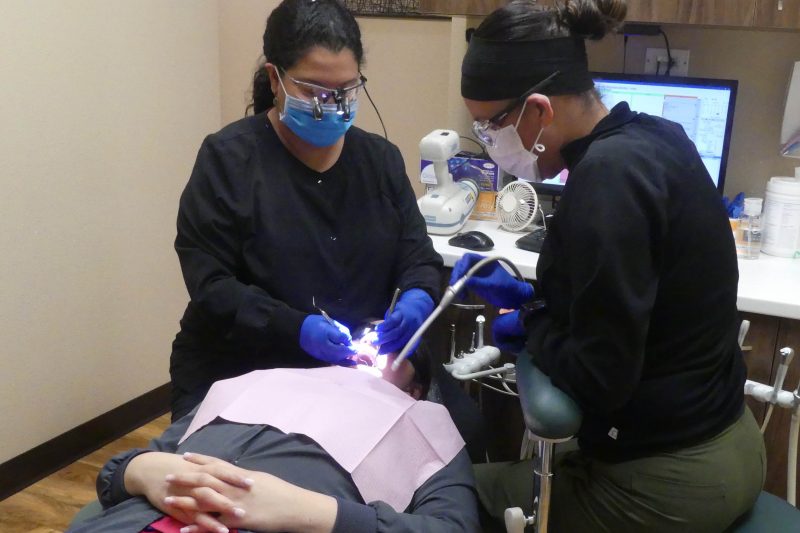
After more than a decade of running a dental clinic in Round Rock, Dr. Maria Teresa Rodriguez began noticing something different among her patients. More patients are arriving with advanced infections after avoiding clinics for weeks. Others are trying to pull their own teeth at home. Families terrified of filling out basic medical forms because they fear it could affect their immigration status.
“People are coming in extremely scared,” Rodriguez said. “And when people are afraid, they stop doing things they never should stop doing.”
Doctors, community clinics and public policy experts say the United States’ increasingly restrictive immigration climate and recent federal changes in public health insurance programs are affecting both immigrant patients and foreign-born physicians working here.

bySamantha Rubin and Erika Gonzalez
By the time patients arrive at the Women’s Reproductive Clinic of New Mexico, many have already spent hours on the road from Texas, sometimes traveling overnight after arranging child care and scraping together money for the trip to access care that is no longer available in their state.
Now, for the first time since Texas banned abortions, the Texas Medical Board has issued formal training intended to clarify when physicians can legally provide abortion care under the medical emergency exception. The guidance follows legislative changes in 2025 that required the board to create educational materials for physicians about the law.

byDestiny Lewis
Candy and sugary drinks are now off-limits for Texas SNAP recipients — a change that’s fueling debate over who should decide what low-income families can buy.
Texas officials say the new policy is meant to improve public health by limiting access to certain foods, but critics argue it places additional restrictions on people already facing financial hardship.
But critics say the policy gives the government too large a role in shoppers’ choices.