
Reporting Texas
News and features from UT-Austin's School of Journalism
byAdele Doat
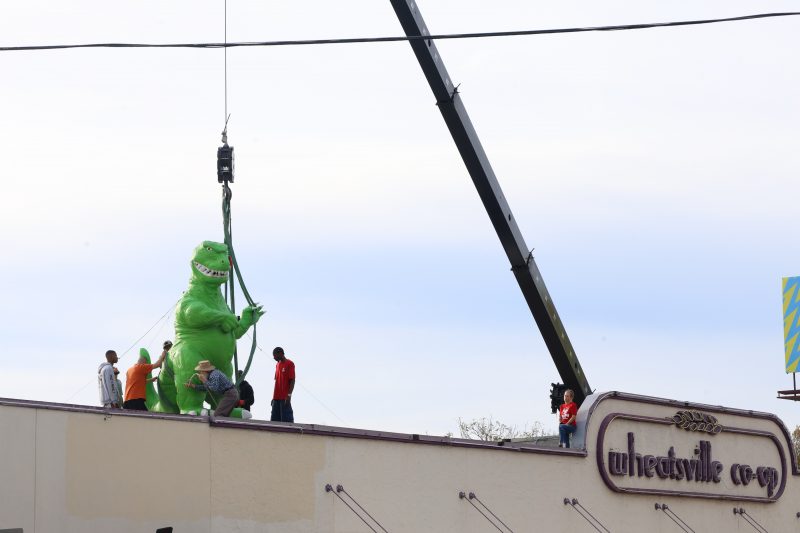
Halloween cobwebs cover empty shelves at the Wheatsville Co-op on Guadalupe Street, sending a message of quiet surrender to financial struggle for a store that has long held a special place in the community. “It seeps magic,” General Manager Tanya Carney said.
Sunday was the grocery store’s final day on Guadalupe. Founded in 1976 by a group of UT students, the co-op moved to Guadalupe Street in 1981, Carney said. From now on, Wheatsville will focus its efforts on its South Lamar Boulevard location, she said.
Declining revenue and feared disruption of the Project Connect Orange Rail Line prompted the store’s closure.

byNoemi Castanon
Nabil Ezzarhouni and his son Rumi were headed home from their afternoon bike ride through the Southern Walnut Creek trail in January when a car hit the 7-year-old at the intersection of Lyons and Springdale roads. Austin police and emergency services quickly arrived, checked Rumi and determined that while he had suffered bruises and scrapes, he did not need hospitalization.
Austin has invested over $1.3 billion since 2016 to transform its roads for bike safety, according to Austin Transportation and Public Works. But accidents like the one involving little Rumi are common. In 2025, cars seriously injured 22 cyclists, and five cyclists. So far this year, three bikers have been seriously injured, according to Vision Zero dashboard of traffic safety.
“We need to ensure bikes are safe and have the right to be driven around without having to take a chance,” Ezzarhouni said.

bySheldon Munroe
Hundreds of protesters gathered outside Austin City Hall on Tuesday — one year to the day after President Donald Trump’s inauguration for his second term — to denounce ICE deportations and demand that the city stop cooperating with federal immigration enforcement.
“It is super important that we come out and use our First Amendment right to protest and petition,” said protest organizer Sophia Mirto.
byErika González
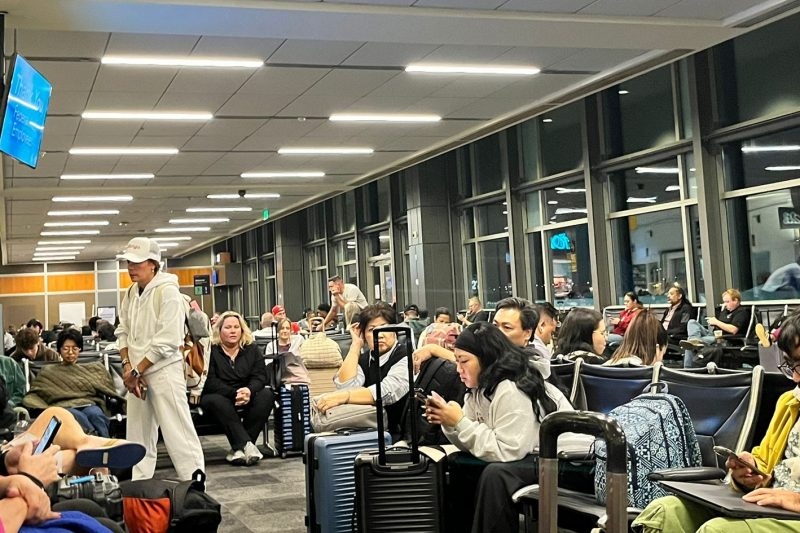
During the longest government shutdown in U.S. history, Austin-Bergstrom International Airport continued operations — but the control tower felt the impact. With fewer air traffic controllers available, every decision became more critical and the pace of work intensified, controllers say. Even after the shutdown ended, risks of ground delays and controller fatigue remain.